Why Asheville Dominates the STR Market
Asheville has established itself as one of the premier short-term rental markets in the Southeast, and the numbers tell the story. The city welcomes over 11 million visitors annually, drawn by its renowned food scene, craft brewery culture, live music, art galleries, and proximity to some of the best outdoor recreation on the East Coast. That consistent flow of tourists, combined with a relative shortage of traditional hotel rooms, has created fertile ground for short-term rental investors.
Unlike beach markets that depend heavily on a three-month summer season, Asheville attracts visitors year-round. Fall leaf season (September through November) is the peak, but spring wildflower season, summer mountain escapes, and even winter holidays and skiing bring steady demand. This four-season appeal means Asheville STR properties can maintain strong occupancy rates throughout the year, typically averaging 65-75% annually for well-managed properties.
Average Rental Income and What Drives It
Short-term rental income in Asheville varies significantly based on location, property type, size, amenities, and management quality. Here is a general breakdown of what you can expect:
- Studio/1-bedroom: $25,000-$40,000 gross annual revenue. These work well in walkable downtown locations where couples and solo travelers want a home base for exploring.
- 2-bedroom: $35,000-$55,000 gross annual revenue. The sweet spot for many investors, attracting both couples and small families.
- 3-bedroom: $45,000-$70,000 gross annual revenue. Appeals to families and small groups, especially properties with outdoor space and views.
- 4+ bedroom/luxury: $60,000-$100,000+ gross annual revenue. Larger homes with premium amenities (hot tubs, fire pits, mountain views, game rooms) can command significant nightly rates.
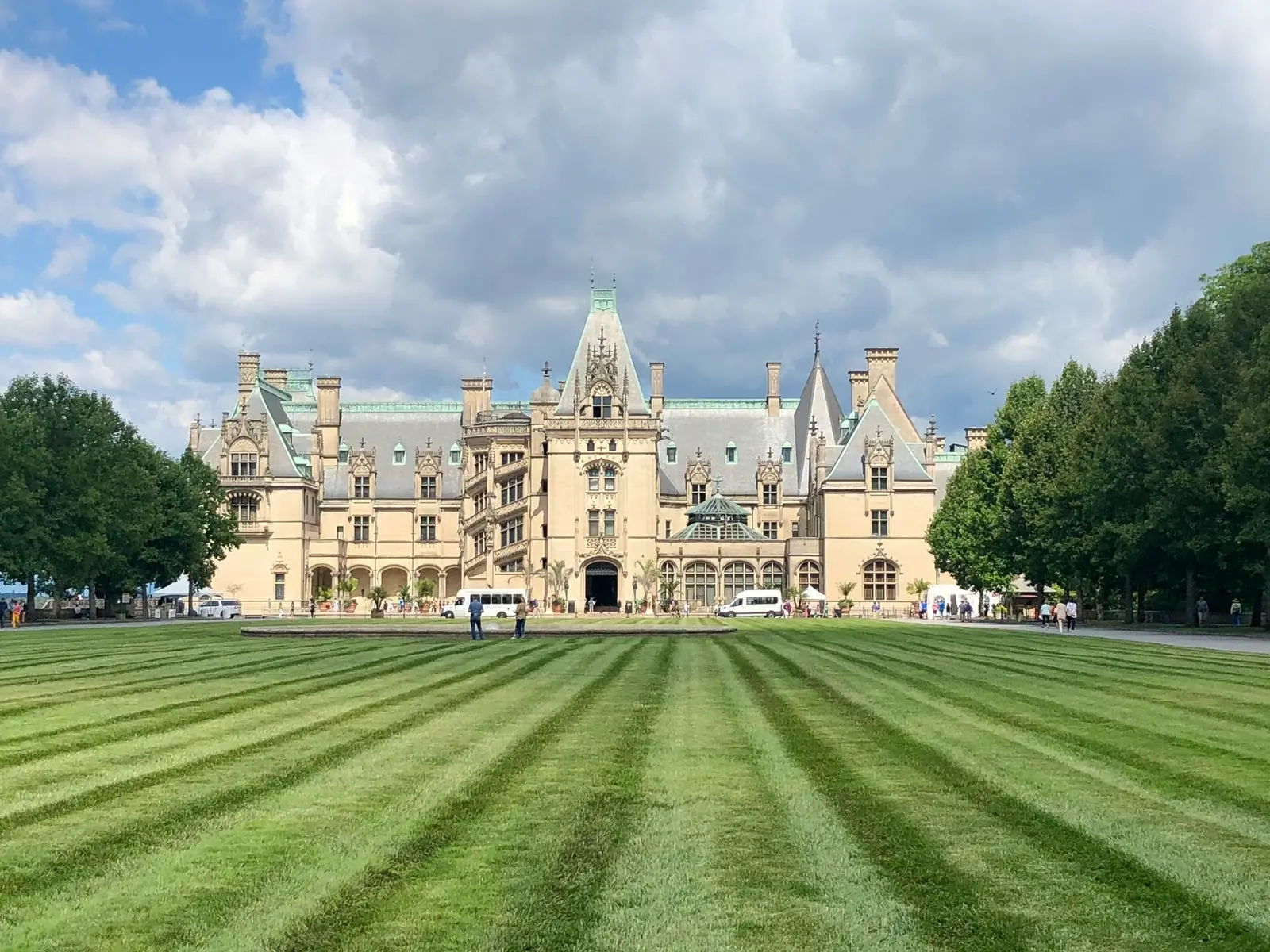
Nightly rates in Asheville typically range from $120-$200 for a standard one or two-bedroom property, $200-$350 for a well-appointed three-bedroom, and $350-$600+ for luxury homes during peak season. The highest rates occur during fall leaf season (October), major events like the Biltmore Estate Christmas season, and holiday weekends.
The key factors that drive above-average performance are location (walkable to downtown or on the Blue Ridge Parkway), unique character (architecturally interesting, beautifully designed interiors), outdoor amenities (hot tubs, fire pits, mountain views, covered porches), and professional-quality photography and listing optimization.
Navigating Asheville's STR Regulations
Asheville has implemented short-term rental regulations that every investor needs to understand before purchasing. The city distinguishes between two types of STR operations:
Homestay Permits
A homestay permit allows you to rent a portion of your primary residence (such as a guest suite or separate bedroom) while you are living on-site. These permits are more readily available and have fewer restrictions. Homestays are permitted in all residential zoning districts.
Whole-House STR Permits
A whole-house permit allows you to rent an entire property when you are not present. These are the permits most investors need, and they come with more restrictions. The city has capped the number of whole-house STR permits in certain residential zones, and there may be waiting lists in popular areas. Properties in commercially zoned areas generally have more flexibility.
Key regulatory requirements include:
- Permit required: All short-term rentals in Asheville must have a valid permit from the city.
- Occupancy tax: Operators must collect and remit the Buncombe County room occupancy tax (currently 6%) in addition to the NC state sales tax.
- Safety standards: Properties must meet fire safety, building code, and septic/sewer requirements.
- Parking: Adequate off-street parking must be provided for guests.
- Noise and nuisance: Quiet hours and guest behavior standards must be enforced.
The regulatory landscape continues to evolve, so it is essential to verify current rules before purchasing. I recommend confirming that any property you are considering either has an existing transferable STR permit or is eligible for one. This is an area where working with a local expert can save you from a costly mistake.
Best Neighborhoods for Short-Term Rentals
Location drives STR performance in Asheville more than almost any other factor. Here are the neighborhoods and areas that consistently deliver strong rental returns:
West Asheville
West Asheville, centered around Haywood Road, has become one of the trendiest neighborhoods in the city. With its own collection of breweries, restaurants, vintage shops, and a walkable main street, West Asheville appeals to younger, experience-driven travelers. Properties here often feature eclectic character — bungalows, cottages, and converted spaces — that photograph well and stand out on booking platforms. Entry prices for investment-suitable properties start in the low $400,000s.
North Asheville
North Asheville offers a more upscale, established feel with historic homes, tree-lined streets, and proximity to attractions like the Grove Park Inn and the Botanical Gardens. Properties here tend to command higher nightly rates, attracting travelers who want a more refined experience. Investment properties range from $450,000 to $800,000-plus, with higher-end homes generating proportionally stronger income.
Downtown Adjacent
Properties within walking distance of downtown — in areas like Montford, Kenilworth, and Chestnut Hill — benefit from proximity to restaurants, galleries, and the River Arts District. Guests love being able to walk to dinner and entertainment. Condos and smaller homes in these neighborhoods start around $300,000-$400,000 and can perform exceptionally well on a per-square-foot basis.
Surrounding Areas: Black Mountain, Weaverville, Fairview
For buyers seeking better value and a more rural mountain experience, the communities surrounding Asheville offer strong STR potential at lower entry prices. Black Mountain is particularly popular with its charming downtown, while Weaverville and Fairview offer larger properties with mountain views. These areas attract guests who want a quieter, more nature-focused retreat. Properties start in the $300,000s and can offer better cash-on-cash returns than pricier in-town locations.
Property Management: DIY vs. Professional
How you manage your Asheville STR significantly impacts both your income and your experience as an owner. Here are the two main approaches:
Professional Property Management
A full-service property manager handles everything: listing optimization, pricing strategy, guest communication, cleaning coordination, maintenance, restocking supplies, and handling any issues that arise. Expect to pay 20-30% of gross rental income for full-service management. The best managers in Asheville earn their fee through higher occupancy rates, better pricing, and superior guest reviews — all of which directly impact your bottom line.
For out-of-town owners, professional management is almost always the right choice. The distance alone makes it impractical to handle guest emergencies, cleaning turnovers, or maintenance issues yourself.
Self-Management
If you live in the Asheville area or visit frequently, self-management can save you significant money. Tools like dynamic pricing software (PriceLabs, Wheelhouse), automated messaging platforms, and smart locks have made self-management more feasible than ever. You will still need a reliable cleaning team and a handyman on call, but the management fee savings go directly into your pocket.
ROI Expectations and Running the Numbers
Before investing in an Asheville STR, run conservative projections. Here is a realistic framework:
- Gross rental income: Use 70% of the market averages listed above for conservative planning.
- Property management: 25% of gross income if professionally managed.
- Cleaning costs: $100-$200 per turnover, depending on property size.
- Supplies and restocking: $100-$200 per month.
- Maintenance and repairs: Budget 1-2% of property value annually.
- Insurance: STR insurance typically costs $2,000-$4,000 per year, more than standard homeowner's coverage.
- Occupancy and sales taxes: Approximately 10-12% of gross rental income.
- Platform fees: Airbnb charges hosts 3% of the booking total; VRBO models vary.
- Mortgage, property taxes, and HOA: Your fixed carrying costs.
After all expenses, a well-performing Asheville STR typically generates a net cash-on-cash return of 4-8% on invested capital, with the potential for higher returns on properties purchased at good value or in emerging neighborhoods. When you factor in principal paydown and property appreciation, total returns can be significantly higher.
The Asheville market rewards investors who buy smart, furnish thoughtfully, maintain impeccably, and either self-manage effectively or partner with a top-tier property manager. It is not a get-rich-quick market, but it is one that can provide meaningful income while giving you access to one of the best mountain cities in America.
Invest in Asheville Real Estate
Whether you are looking for a turnkey rental property or a fixer-upper with STR potential, I can help you find the right Asheville investment.
Or call directly: 704-883-6527